
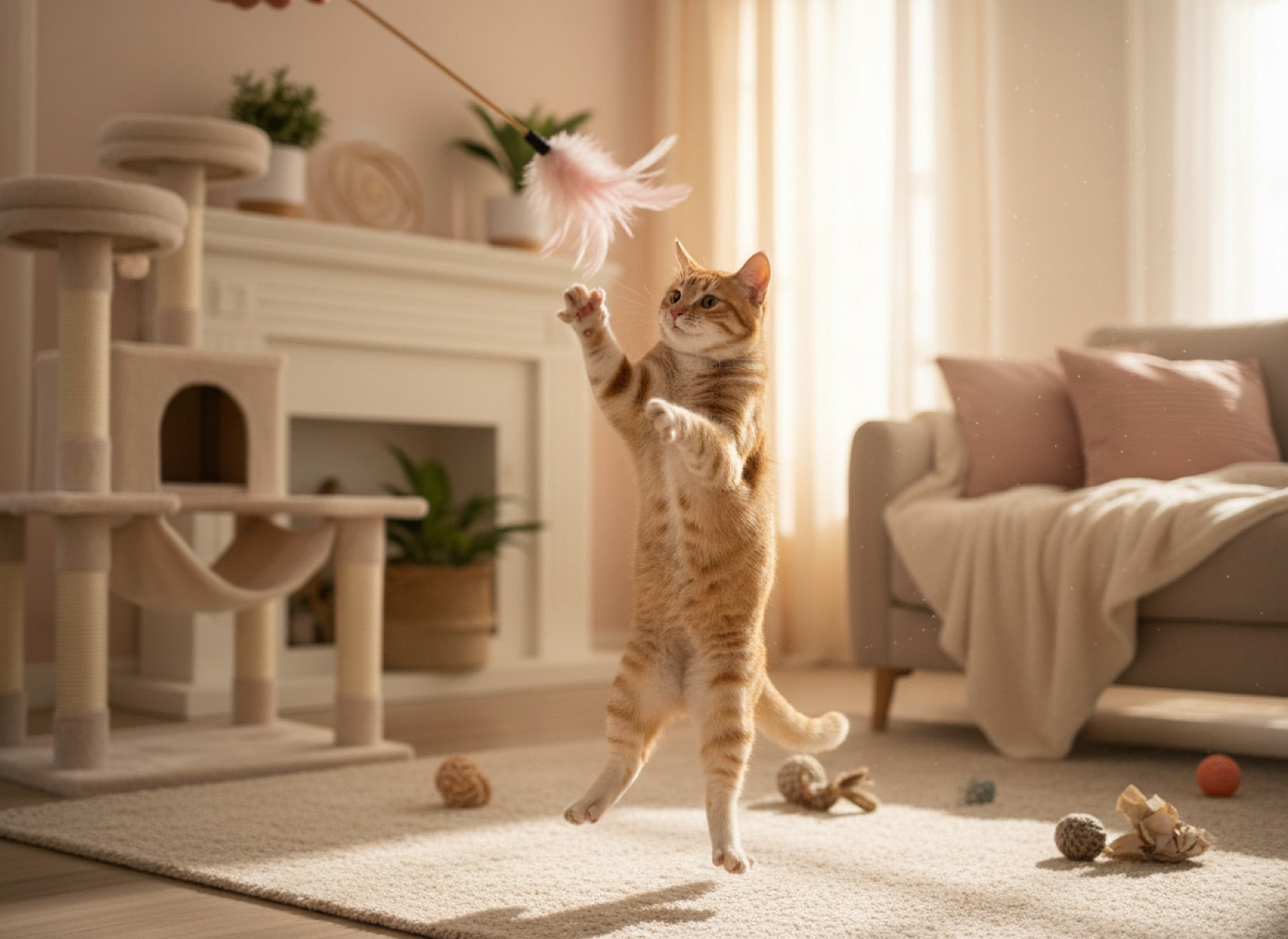


To choose the right kibble for your kitten, the priority is a "kitten" formula suited to their growth, with pieces small enough for their jaw and a good proportion of animal protein. Everything else (grain-free or not, flavour, brand) comes next, based on your kitten's preferences and your budget.
1. The "kitten" life-stage label first
The first thing to check on a bag of kibble is the life-stage label: "kitten" or "growth". These formulas are designed to cover the needs of a growing animal, with more energy, protein and minerals than adult cat kibble. Giving adult kibble to a kitten risks not covering their needs during this key period; conversely, kitten kibble is not suited to an adult cat long-term, as it is too rich for a metabolism that is no longer growing.
2. Kibble size and texture
A kitten has a small jaw and baby teeth that gradually change. Kibble designed for kittens is generally smaller and sometimes slightly softer than for adult cats, to be easier to chew and digest. If your kitten seems to struggle chewing, you can slightly moisten the kibble with a little lukewarm water in the first days, especially around weaning.
The shape of the kibble also plays a practical role day to day: a piece that is too large for a kitten risks being swallowed almost whole rather than chewed, which can encourage eating too fast. Watching how your kitten eats their first meals gives you good clues as to whether the kibble size suits them.
3. Composition: what to look at
- Animal protein should feature prominently in the ingredient list: it is the basis of muscle growth.
- The presence or absence of grains is primarily a matter of individual digestive tolerance rather than a universal rule; some kittens digest grains very well, others prefer a grain-free formula.
- Fat provides the energy needed for growth, in a higher amount than for an adult.
- Minerals such as calcium and phosphorus contribute to skeleton building; they are already balanced in a quality kitten formula, with no need to add a supplement.
To go further on the grain question, our article grain-free kibble details the differences between formulas.
4. Trying several flavours and brands
Taste plays an important role: some kittens show a clear preference for chicken, others for salmon or rice. It is not a problem to try several products in the first months, as long as you follow a gradual transition each time you change (see our dedicated article on food transition). A few formulas to consider:
- ORIJEN Kitten, a meat-rich recipe.
- ACANA First Feast, with poultry and fish.
- BRAVERY Kitten with chicken, grain-free.
- AMITY Super Premium Kitten with salmon.
- The full kitten kibble range to compare all the options.
5. Reading the label without being impressed by it
Kibble packaging often uses marketing language that can make comparison difficult. A few simple reference points help you find your way without comparing isolated numbers: first look at the first two or three ingredients on the list, which make up the largest part of the recipe, then check for a clear "kitten" label and the recommended age on the dosing table. It is better to compare formulas based on their composition and targeted life stage rather than on a single isolated criterion.
6. Kibble or wet food: do you have to choose?
You do not need to choose exclusively between kibble and wet food: many owners combine both, keeping kibble as the base of the diet for its convenience and its positive effect on chewing. If you want to introduce wet food, do it gradually and in small amounts, watching your kitten's digestive tolerance. Some kittens enjoy discovering both textures from the start, which can also make future food transitions easier by getting them used to a varied diet.
7. Signs that should prompt a vet visit
If your kitten refuses to eat for more than a day, vomits repeatedly, has persistent diarrhoea or seems unusually tired, see a veterinarian without delay: these situations go beyond a dietary choice and need professional advice.
8. In short
Choosing your kitten's kibble mainly means respecting the "kitten" life stage, then adjusting flavour and composition to their preferences and digestive tolerance. The switch to adult kibble will happen naturally around 10-12 months, always gradually. Take the time to watch your kitten in the first weeks: their appetite, digestion and everyday energy remain the best signs that the chosen kibble suits them.
Want a personalised selection for your kitten? Take our 2-minute quiz: find the right kibble.


Leave a comment
This site is protected by hCaptcha and the hCaptcha Privacy Policy and Terms of Service apply.